Skoltech Industry-Oriented Computational Discovery LAB
The laboratory is engaged in conducting a computational discovery of new materials, their properties desired for applications in the industry.
We are proud to be part of the global AI for Materials Science movement, related to the boundaries of what advance algorithms and simulations can reveal about the world of materials.
Join us at the intersection of physics, chemistrym materials science and artificial intelligence, where computational tools and experimental insights work together to illuminate the cutting-edge of the physical world.
AI-Powered Materials Prediction
Development of advanced methods for predicting material properties using artificial intelligence and machine learning. Our research focuses on computer-aided discovery of new materials with specified properties for industrial applications.

Advanced Catalytic Materials
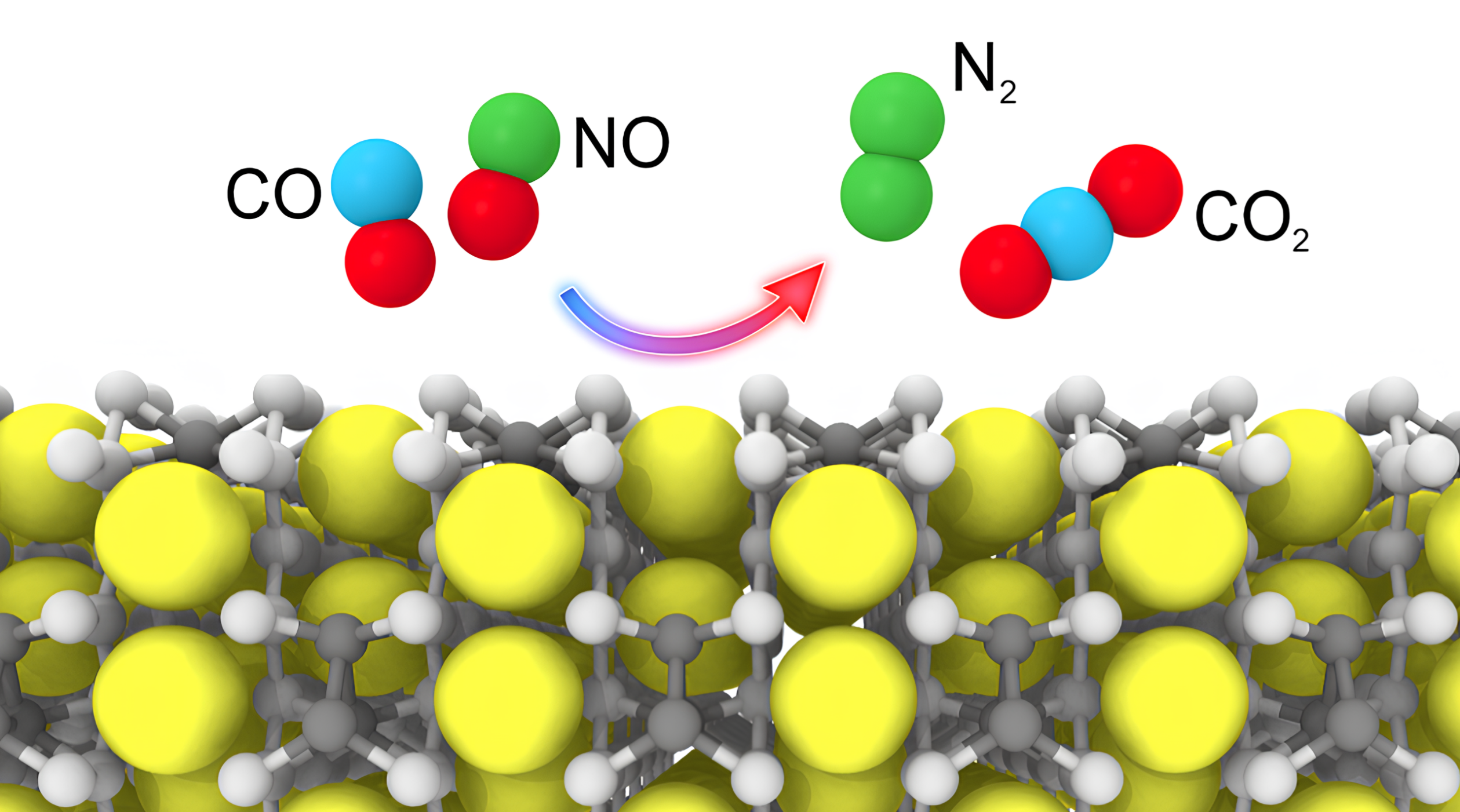
Investigation of catalytic activity in novel materials based on transition metal carbides, borides, and nitrides, including highly entropic compounds. Exploring new frontiers in catalytic performance and stability.
High-Entropy Materials & Alloys
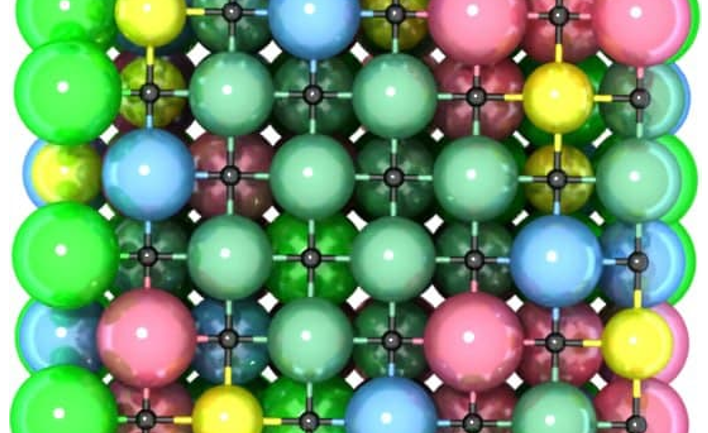
Exploration of high-entropy materials and alloys with unique properties and enhanced performance characteristics. Developing novel material systems for extreme environments and specialized applications.
High-Temperature Superconductors
Computational search for new high-temperature superconductors under high pressure among metal hydrides. Application of DFT and AI methods.
Low-Dimensional Materials
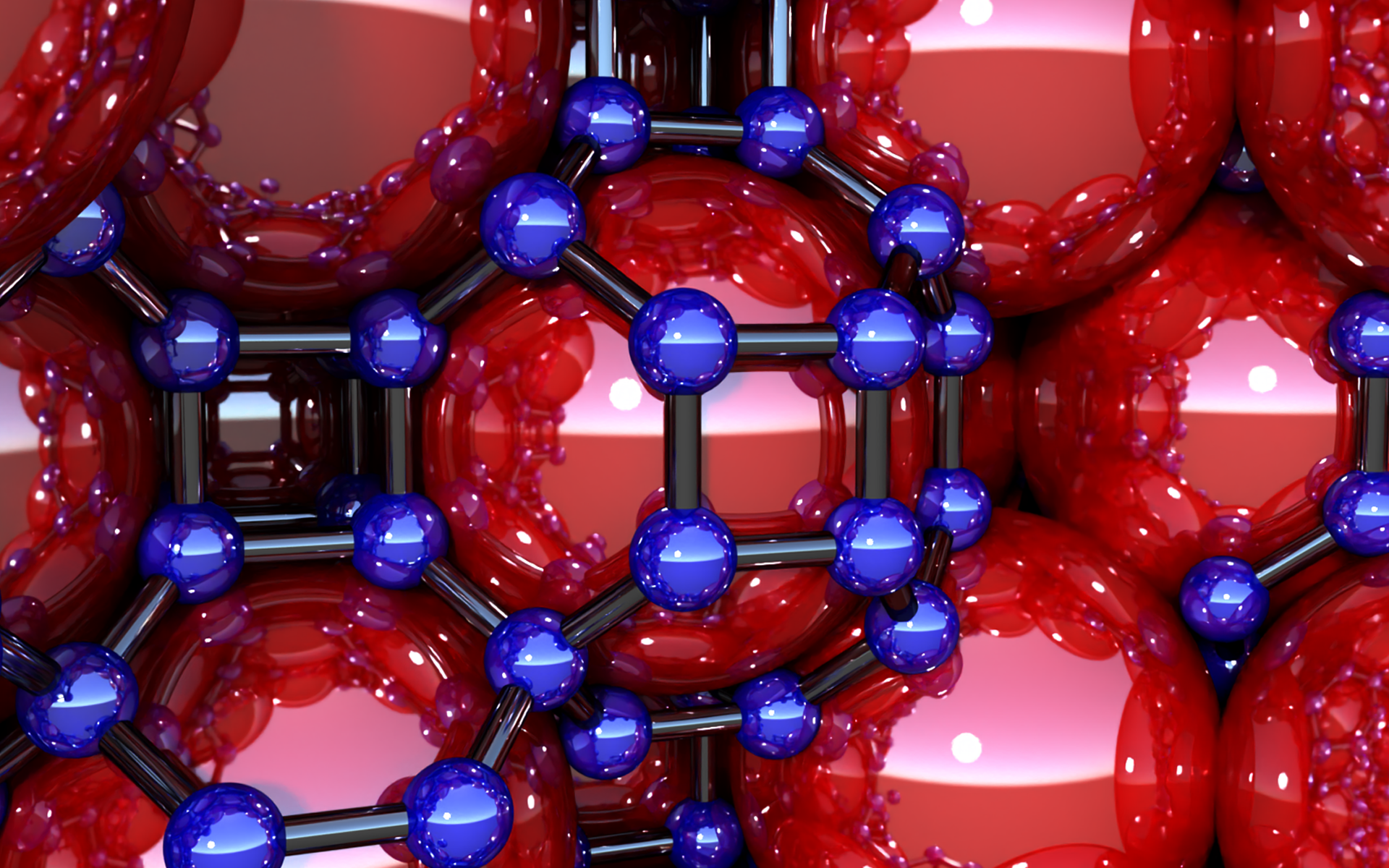
Prediction and comprehensive research of new low-dimensional materials (0D, 2D) for catalytic applications. Unlocking the potential of nanoscale materials for next-generation industrial processes.
Our Team
Projects
Publication List
Reviews
Courses
Thermodynamics of Materials
The course provides a graduate-level overview of thermodynamics principles applied to computational materials science
Detailed Description
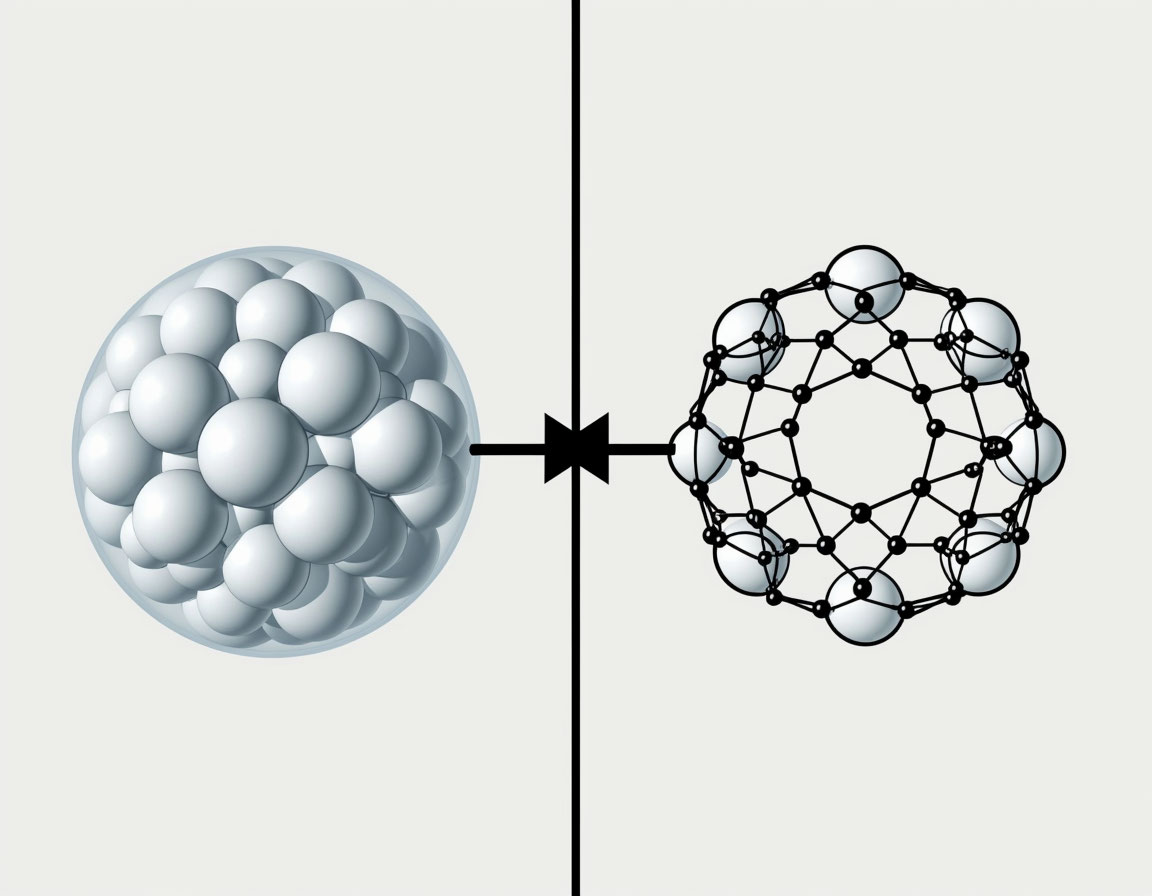
The course provides a graduate level overview of selected topics of materials science related to formation of material and its stability. We will begin with the stability of materials by defining the energy contributions responsible for the stability including configuration, vibrational, and thermodynamic contributions to Gibbs free energy. Next, we will consider phase transitions and phase diagrams of materials with various dimensionality. One of the important factors responsible for stabilization is the formation of defects. Types of defects in bulk and 2D materials will be discussed. Considering all the above we will move to discussion of properties of surfaces and thin films which are the most important materials for sensing, energy storage, catalysis, and other applications.
Computational Methods in Atomistic Simulations
Course will cover both classical and modern topics in computational materials science.

Detailed Description
Course will cover both classical and modern topics of computational methods in atomistic simulations of condensed matters. We will begin from classical representations of electric and heat transport in condensed matter and will finish with modern theories covering the molecular dynamics methods coupled with density functional theory and applications of machine learning. Practical part of the course will be devoted to hands-on sessions where students will apply these theories on practice by performing calculations of real materials. This will give an entire picture of applied computational methods allowing the solution of various tasks like calculations of mechanical properties of solid-state compounds, lattice dynamics, thermal conductivity etc.